
The journal
The ideal water temperature for brewing coffee
For most hot-brew coffee, start with 195 to 205°F (90 to 96°C). If it tastes sour, raise the temp a bit; if it’s bitter, lower it. Cold brew is the exception.
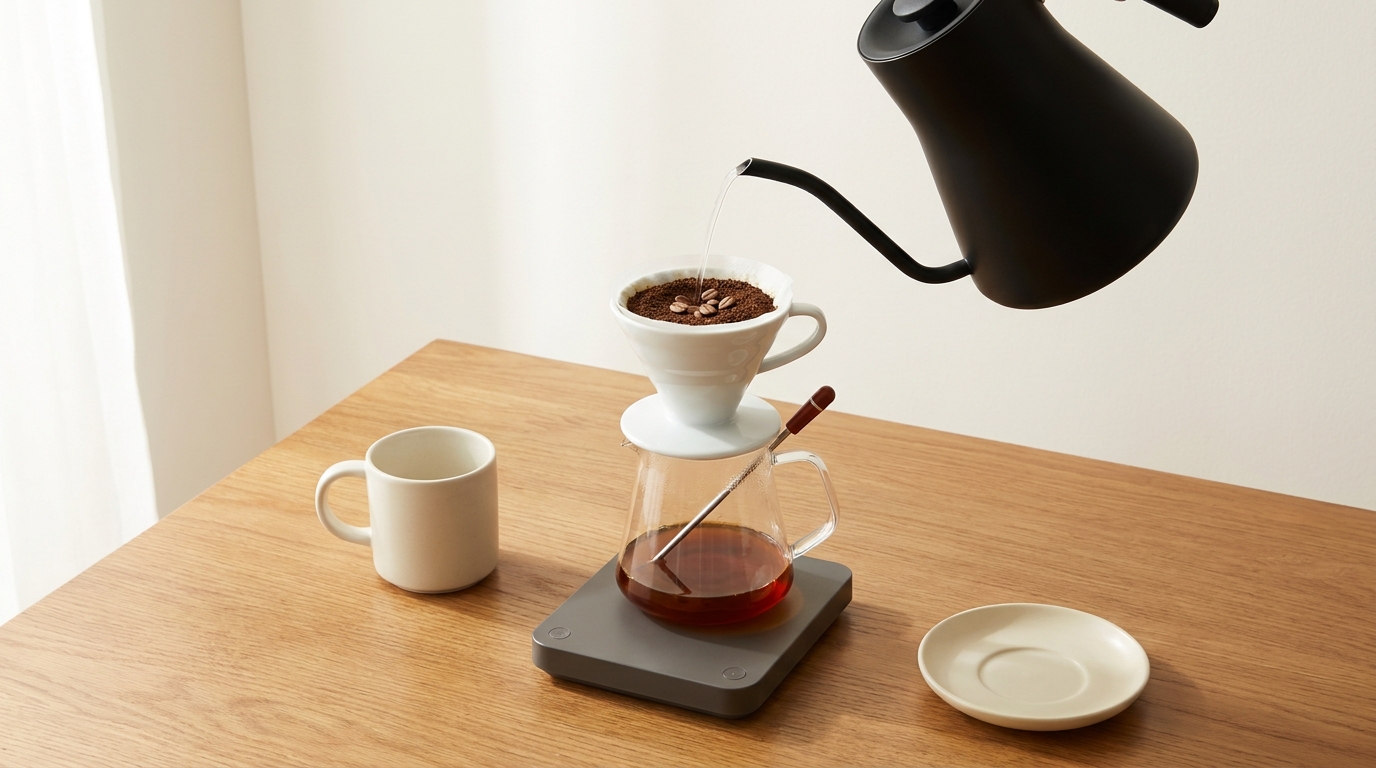
The ideal water temperature for brewing hot coffee is 195 to 205°F (about 90 to 96°C). This range promotes balanced extraction across common methods like pour-over, drip and French press, while colder water is reserved for cold brew with long steep times (Breville; BonLife Coffee).
Quick answer: the ideal brewing temperature
Start here for a balanced hot brew
Heat your water to 195-205°F (90-96°C). Aiming near the higher end can help offset heat loss during pouring, then fine-tune a few degrees based on taste (Breville).
Kettle-side checklist to hit your target temp
You’ll get more consistent results if you also mind water quality and ratio. See our guides on ideal water hardness for coffee and pour-over ratios for 500 ml.
Why temperature matters
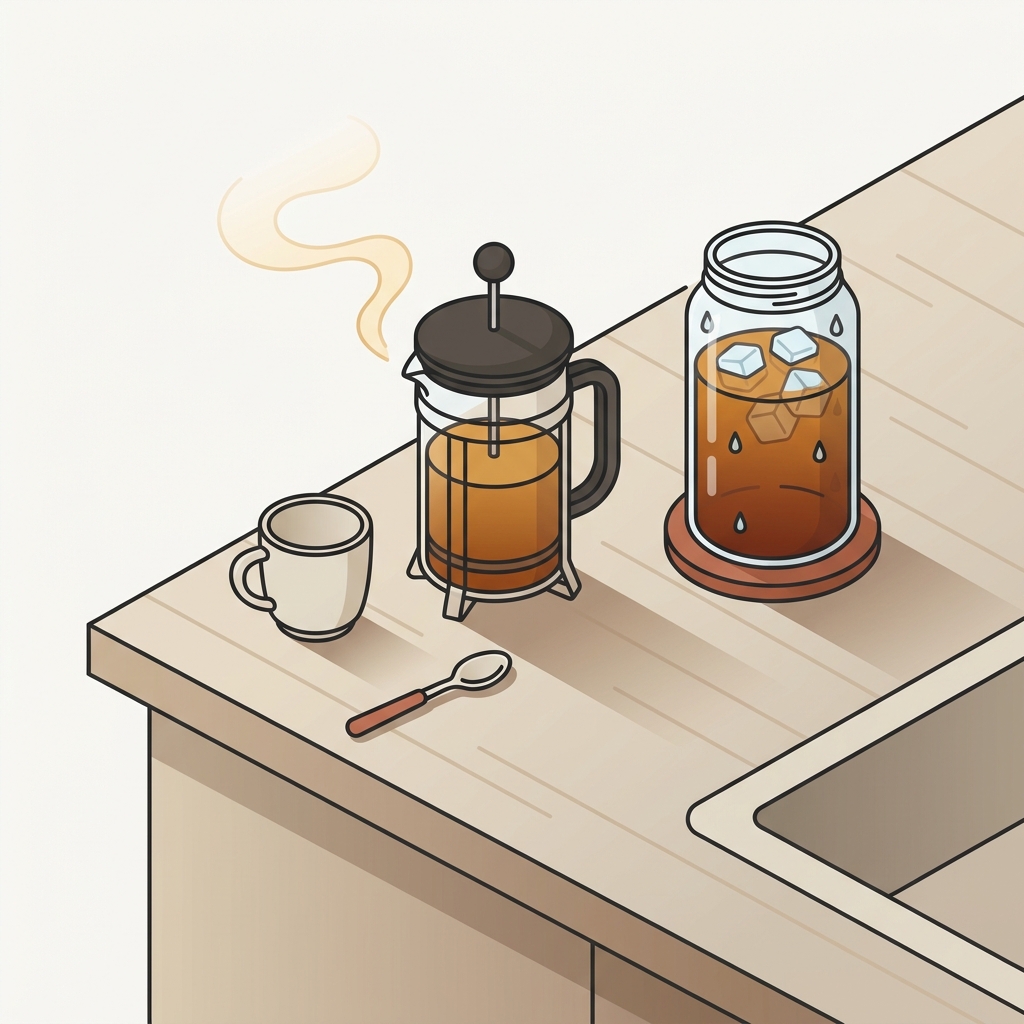
Brewing temperature controls extraction speed. Hotter water dissolves oils, acids and other compounds faster; cooler water slows extraction. Too hot can push harsh bitterness, while too cool can leave a cup sour or weak (Coffee Bean & Tea Leaf; BonLife Coffee).
For tasting, let brewed coffee cool slightly. Many people perceive flavors best around 120-140°F; it’s easier to pick out sweetness and nuances once it’s not scalding hot (Lardera).
Where to start by method and roast
Pour-over and small-batch brews
Try 200-205°F to compensate for heat loss during the pour, especially with uninsulated brewers and small doses (Breville).
French press and other immersion methods
Stay within 195-205°F. Darker roasts often do well toward the lower end, while lighter roasts can benefit from slightly higher temps within the range (Lardera).
Automatic drip brewers
Target 195-205°F for the brew water. Some basic machines may struggle to reach or hold that range consistently; if you suspect that, consider a machine with temperature control or use a kettle and manual method (Coffee Bean & Tea Leaf).
Cold brew: the explicit exception
Cold brew relies on cool water (roughly 40-80°F, with room temperature around 68°F common) and long steeps, typically 12+ hours, instead of hot water (Lardera).
How to measure and control temperature
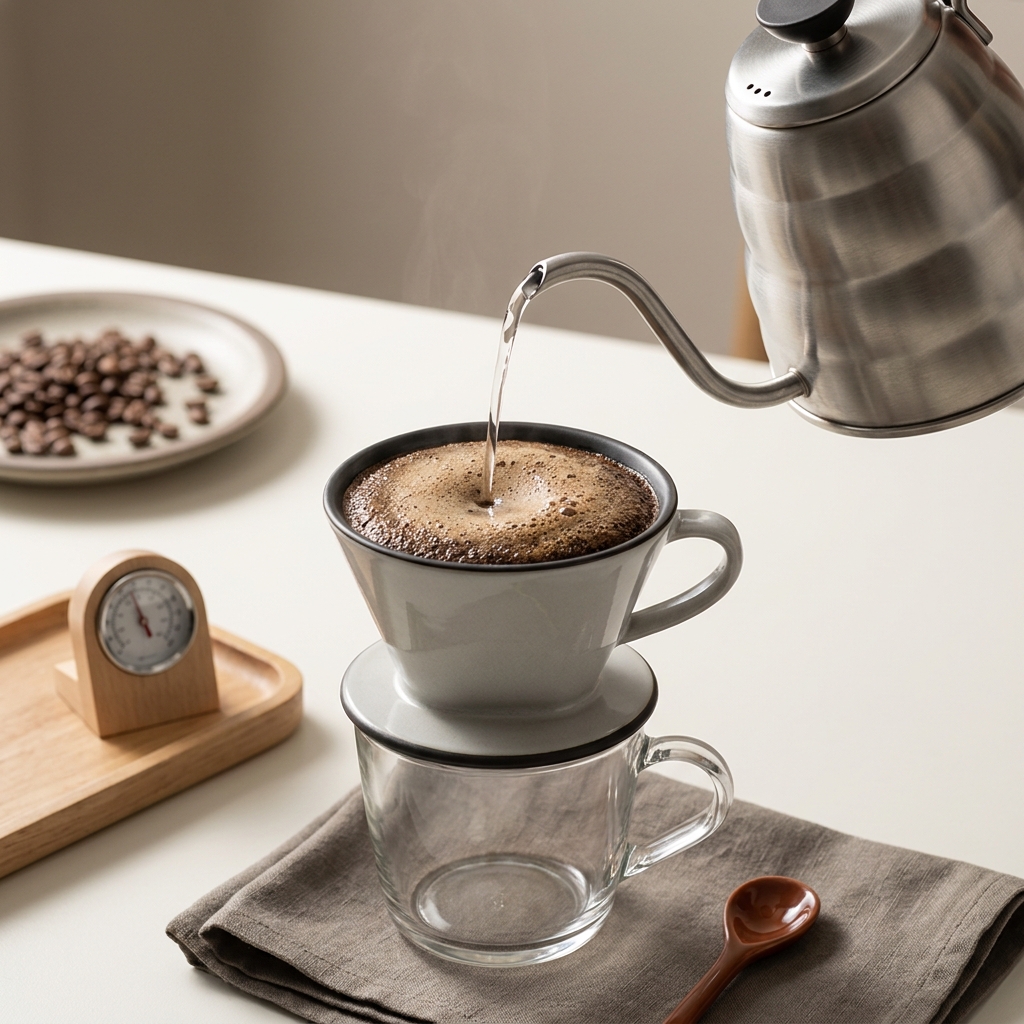
A thermometer and a variable-temperature kettle make it easy to hit and repeat target temperatures. When you can, measure the slurry (the coffee-and-water mix), not just the kettle water, to understand heat loss. Electric gooseneck kettles with settable temps are especially convenient (Coffee Bean & Tea Leaf; Breville).
If you don’t have a temperature-controlled kettle, bring water to a boil, then let it cool briefly and verify with a thermometer before brewing. Avoid pouring boiling water directly onto grounds; staying within 195-205°F is more forgiving (Breville).
Troubleshooting by taste
- Bitter or harsh? Lower brew temperature by a few degrees next time and/or shorten the brew slightly (Breville).
- Sour, thin or weak? Raise brew temperature a bit and/or extend contact time within your recipe window (BonLife Coffee).
- Change one variable at a time in small steps (about 2-3°F) so you can taste the effect clearly.
Rapid temperature-dial checklist
Short FAQ
Do I need a variable‑temperature kettle?
No, but it makes dialing in far easier. A simple thermometer plus a regular kettle works; many brewers prefer a variable‑temp gooseneck for precision and consistency (Coffee Bean & Tea Leaf).
Why do many recipes suggest the higher end of the range?
Water cools as it leaves the kettle and hits room‑temperature equipment and coffee. Starting closer to 205°F often keeps the slurry in range through the brew (Breville).

Temperature is just one lever alongside grind, brew time and water chemistry. Pair a good starting range with deliberate, small adjustments and you’ll find your sweet spot quickly.
Related guides
Product options for this topic
As an Amazon Associate I earn from qualifying purchases. These are researched options, not hands-on test results. Check the exact size or model, current price and availability on Amazon.
| Product option | Fit and limits to check | Retailer |
|---|---|---|
| Fellow Stagg EKG Pro | A gooseneck kettle candidate for controlled pouring. Check voltage, capacity and counter clearance before choosing the exact version. | View on Amazon |