
The journal
Should you rinse coffee filters? Practical advice for paper, metal and cloth
Clear guidance on when and how to rinse paper, metal and cloth coffee filters, with simple steps, pitfalls to avoid and maintenance tips.
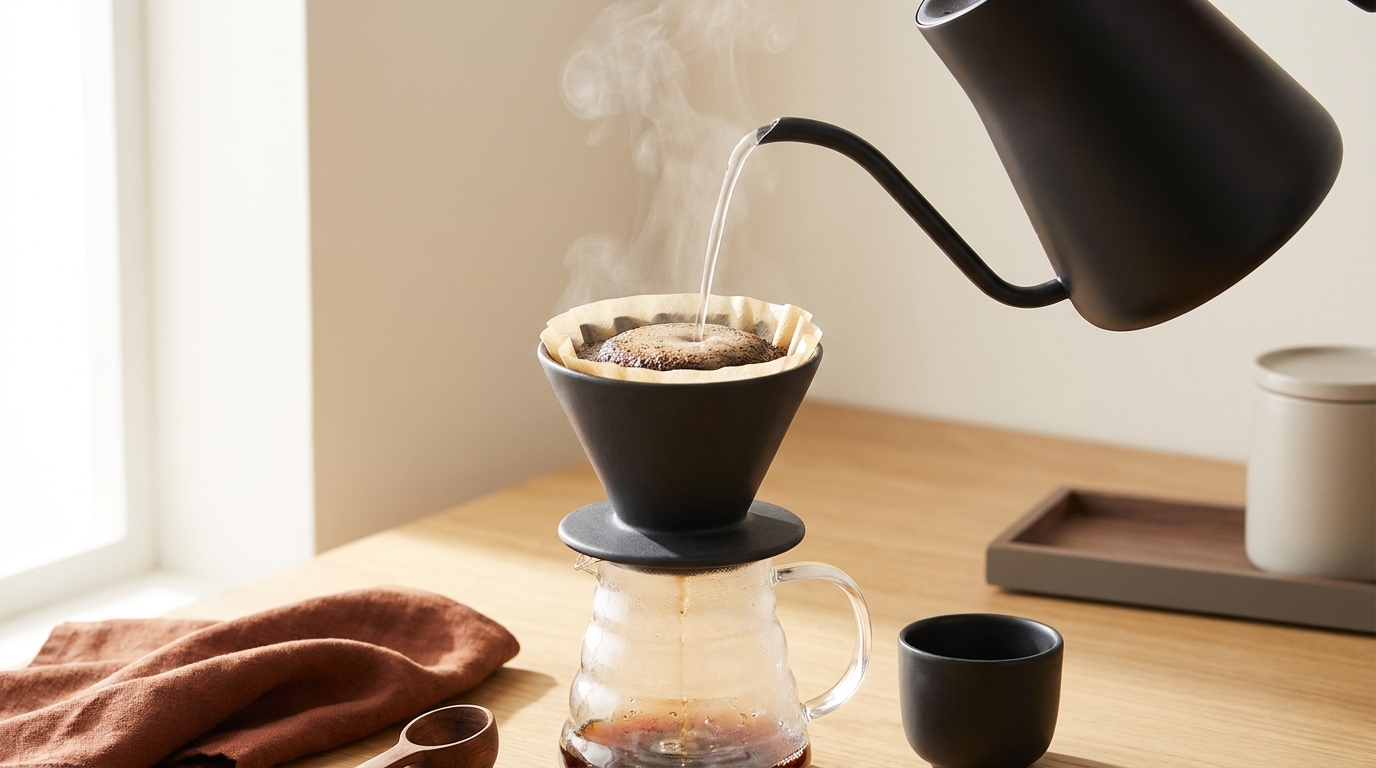
Short answer: usually yes for paper, optionally for metal, and definitely for cloth. Pre-wet paper filters with hot water to reduce paper taste and warm your brewer; for thin basket-style papers, rinsing may be unnecessary and can even deform the filter. Rinse metal filters mainly for cleanliness, and rinse cloth filters before brewing and clean them thoroughly after. Always follow your specific maker’s instructions. (https://etkincoffee.com/blogs/news/should-you-rinse-your-filter; https://coffee-guide.jp/en/gear/reusable-coffee-filter-recommended-eco)
Why rinsing can help (and when it might not)
Baristas often pre-wet paper filters to wash away paper dust and preheat the dripper, which can support consistent extraction. Etkin Design notes these are the usual reasons given for rinsing, but also reports that for standard thin, bleached basket filters, the difference in cup quality can be minimal and rinsing can cause the paper to lose shape, choke the brew, or collapse in some drip machines. (https://etkincoffee.com/blogs/news/should-you-rinse-your-filter)
The need to rinse can vary with paper type; conventional wisdom is that thicker or unbleached papers may benefit more from a thorough pre-wet, as Etkin discusses when comparing different papers. (https://etkincoffee.com/blogs/news/should-you-rinse-your-filter)
What to do by filter type
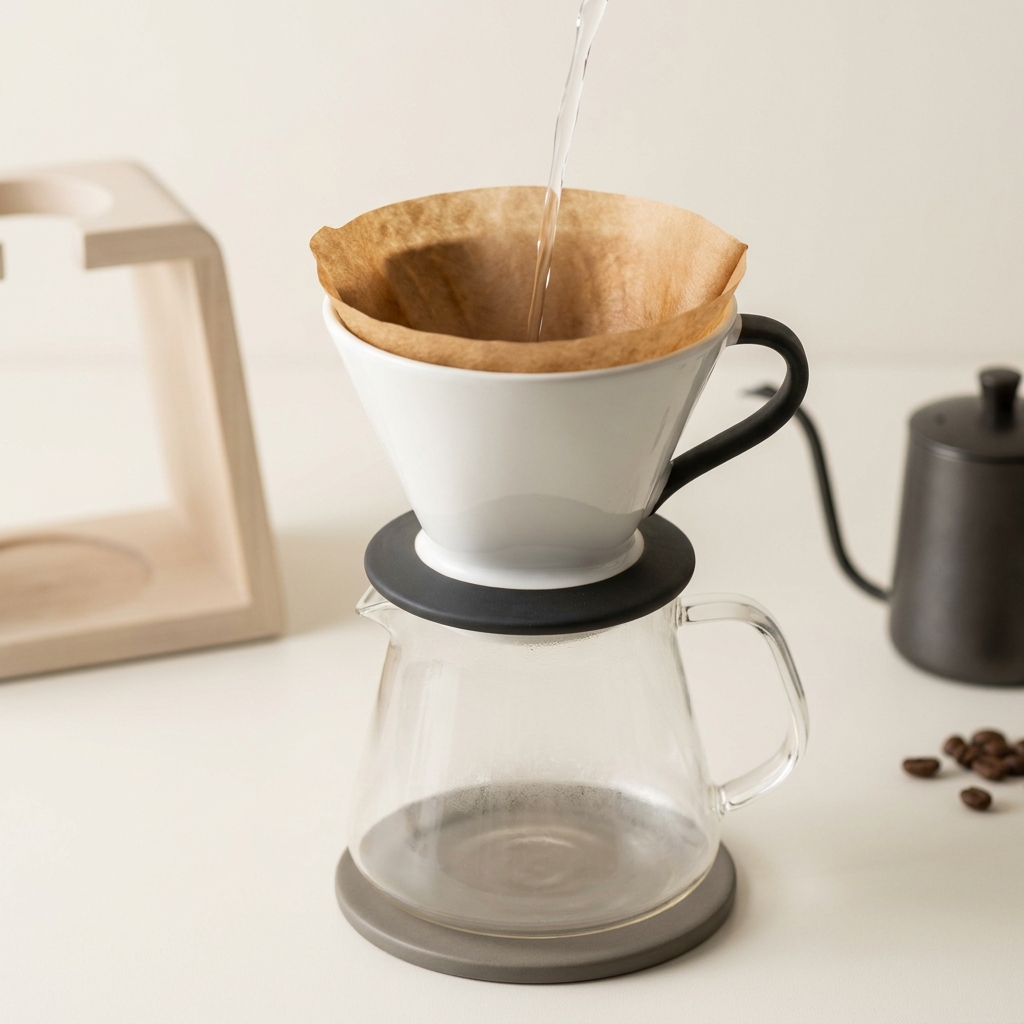
Paper filters: pre-wet with context
- For most cone-style pour-overs: Set the paper in the dripper, pour hot water to wet the entire filter and warm the brewer, then discard the rinse water before adding grounds. This helps remove paper taste and preheats the setup. (Etkin Design)
- For thin, grocery-store basket filters and many auto-drip machines: Consider skipping the rinse. Etkin reports limited flavor benefit and a real risk of the filter sticking to the basket walls and choking or collapsing once brewing begins. (Etkin Design)
After any paper rinse, always discard the rinse water to avoid diluting your brew.
Dialing in a new pour-over? Our ratio explainer can help you set a consistent recipe: How much coffee do you need for a 500 ml pour-over?
Metal filters (stainless or gold mesh): quick rinse and regular cleaning
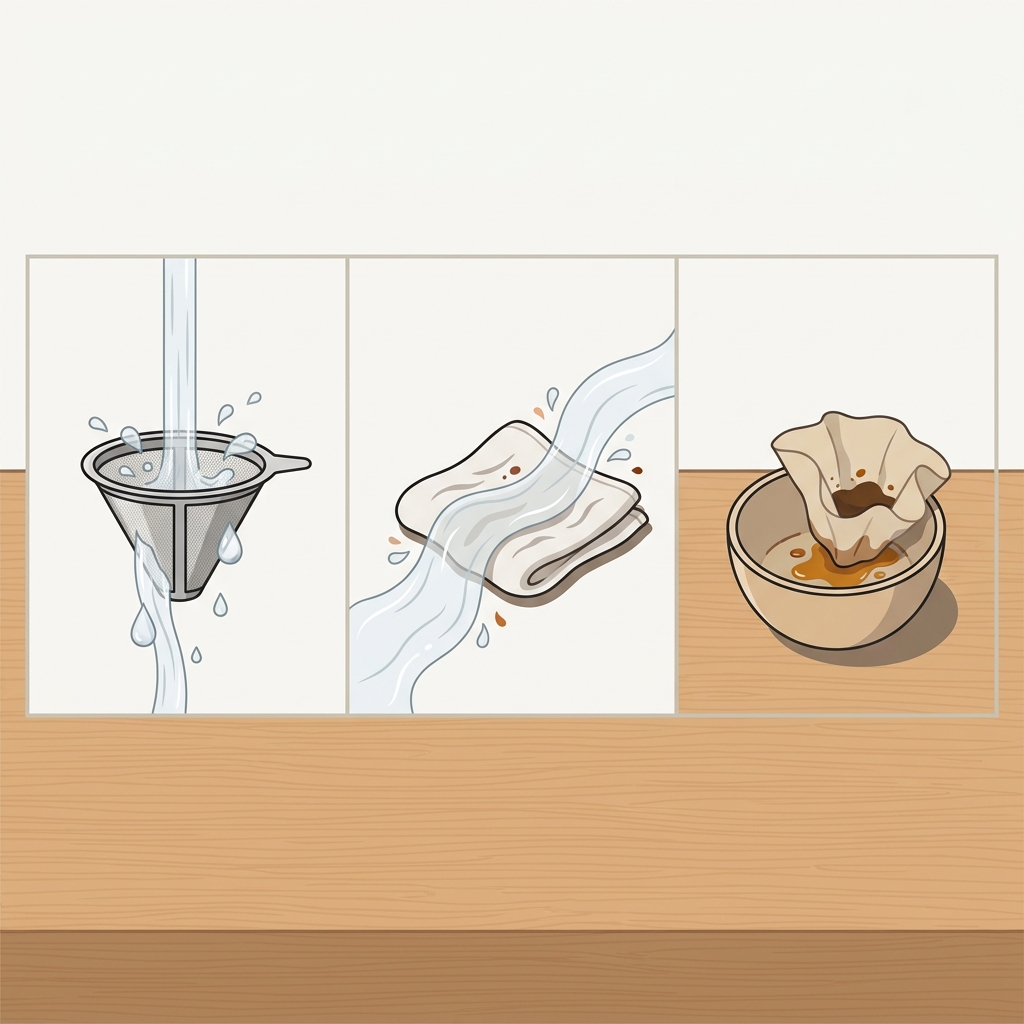
- Before brewing: Give the filter a brief hot-water rinse to clear dust and warm the screen.
- After each use: Rinse immediately and use a soft brush so fines do not dry and clog the mesh. (Coffee Guide)
- Weekly: Soak in warm water with baking soda or mild dish soap for 15-30 minutes, then scrub gently and rinse thoroughly; air dry. (Coffee Guide)
Expect more oils and some fine particles in the cup compared to paper. If you dislike sediment, try a slightly coarser grind or let the cup settle briefly before pouring off the top. (Coffee Guide) For more ways to cut sediment, see How to avoid sediment in French press.
Cloth filters (nel or cotton): rinse, maintain and replace
- Before brewing: Rinse thoroughly with hot water.
- After brewing: Rinse until the runoff is clear. Cloth requires careful storage and maintenance. (Coffee Guide)
- Expectations: Cloth tends to produce a smooth, round cup and allows oils to pass. Typical durability is medium, about 6-12 months with regular use, and periodic replacement is needed. (Coffee Guide)
When rinsing matters most
- New paper filters: A quick rinse helps remove any lingering paper dust. (Etkin Design)
- Thick or unbleached papers: Conventional practice favors a more thorough pre-wet. (Etkin Design)
- Thin basket papers in auto-drip: Skipping the rinse can prevent shape loss and brew choking. (Etkin Design)
Common pitfalls to avoid
- Over-wetting thin basket papers: This can make them stick to the basket and collapse during brewing. (Etkin Design)
- Forgetting to discard paper rinse water: Leaving it in the server dilutes your brew.
- Harsh cleaners on reusable filters: Stick to water after each use and mild agents (like baking soda or mild dish soap) for periodic deep cleans on stainless mesh, unless your maker specifies otherwise. (Coffee Guide)
Quick pre-brew filter check
FAQ
Do I need to rinse a paper filter every time?
Rinsing is common for cone-style papers to reduce paper taste and preheat. For thin basket filters, Etkin suggests the benefit may be minimal and the rinse can deform the paper; many users skip it. (https://etkincoffee.com/blogs/news/should-you-rinse-your-filter)
What is the best way to clean a stainless mesh filter?
Rinse and brush immediately after each use; do a weekly soak in warm water with baking soda or mild dish soap, then rinse and air dry. (https://coffee-guide.jp/en/gear/reusable-coffee-filter-recommended-eco)
How long do cloth filters last?
They typically have medium durability and may need replacement after about 6-12 months of regular use. Store and maintain them carefully per the maker. (https://coffee-guide.jp/en/gear/reusable-coffee-filter-recommended-eco)

Bottom line
Pre-wet cone-style paper filters and discard the rinse water. Skip rinsing thin basket papers if it risks collapse. Rinse metal filters for cleanliness and deep clean them periodically. Rinse cloth filters before brewing, clean them thoroughly afterward, and replace them over time. Follow your specific filter or brewer’s instructions, and adjust based on what you taste.