
The journal
Is 9 bar or 15 bar better for espresso?
Direct answer: use a stable ~9 bar brew pressure. A 15‑bar spec is usually a pump maximum, not the pressure at the coffee. For yield and perceived strength, stability and recipe control matter more than headline bar numbers.
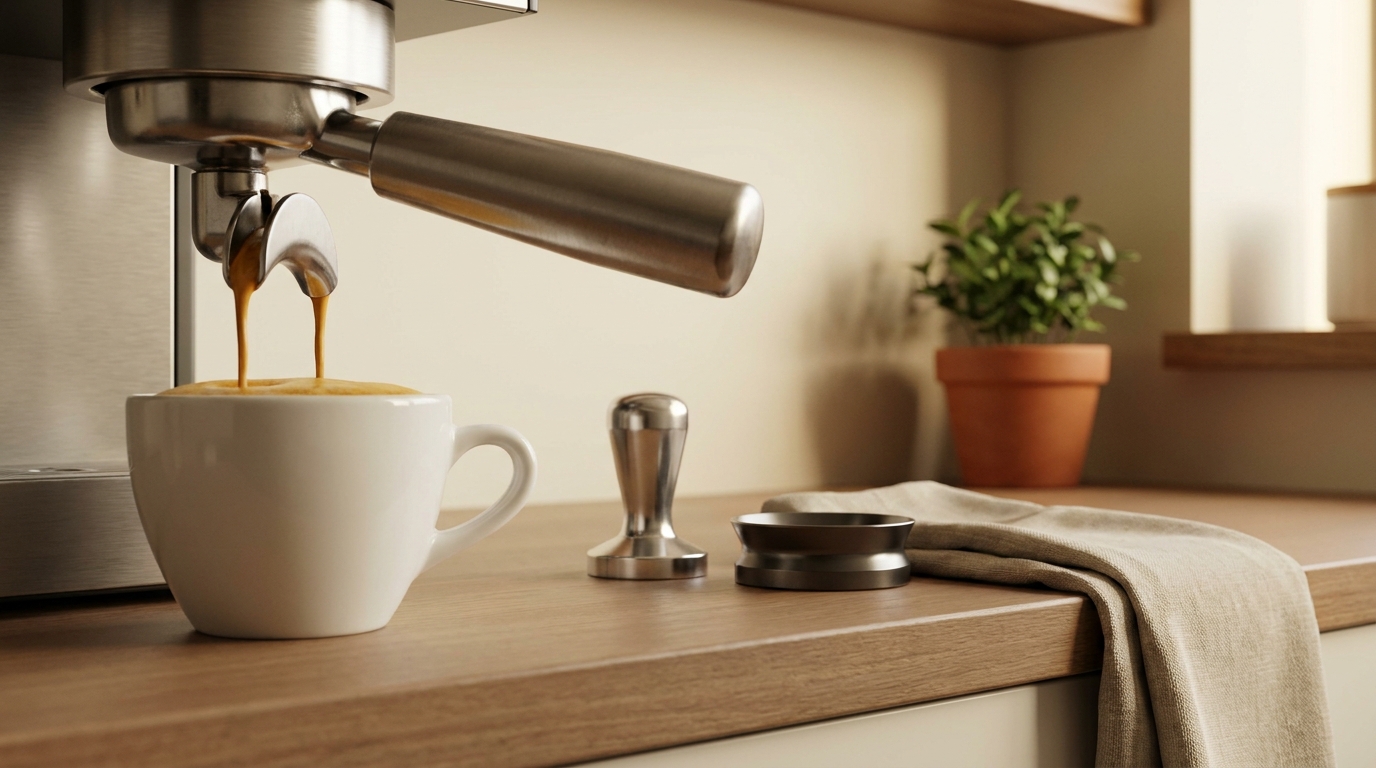
Short answer: 9 bar. For extraction yield and perceived strength, you will get more consistent, balanced results from a stable brew pressure around 9 bar than from chasing a 15 bar label. That higher number is usually a pump maximum, not the actual pressure applied to the puck during extraction, and stability near 9 bar matters far more for taste and repeatability (Seven Miles: ideal pressure for espresso; 9Barista buyer’s guide).
What “bars” mean for yield vs strength
Brew pressure is the force at the coffee puck during the shot. It influences flow and contact time, which in turn affect extraction yield and the strength you taste in the cup. A common source of confusion is the box claim: many home machines advertise 15 or 20 bars, but that figure describes the pump’s maximum capability. During brewing, an over-pressure valve typically regulates delivery closer to the espresso norm around 9 to 11 bars (Papel Espresso: pump pressure explained). As a result, “15 bar vs 9 bar” on a spec sheet rarely describes what hits the puck. What matters for flavor is a steady working pressure at the group and a recipe you can repeat shot to shot (9Barista buyer’s guide).
What the experiments show about pressure and strength (TDS)
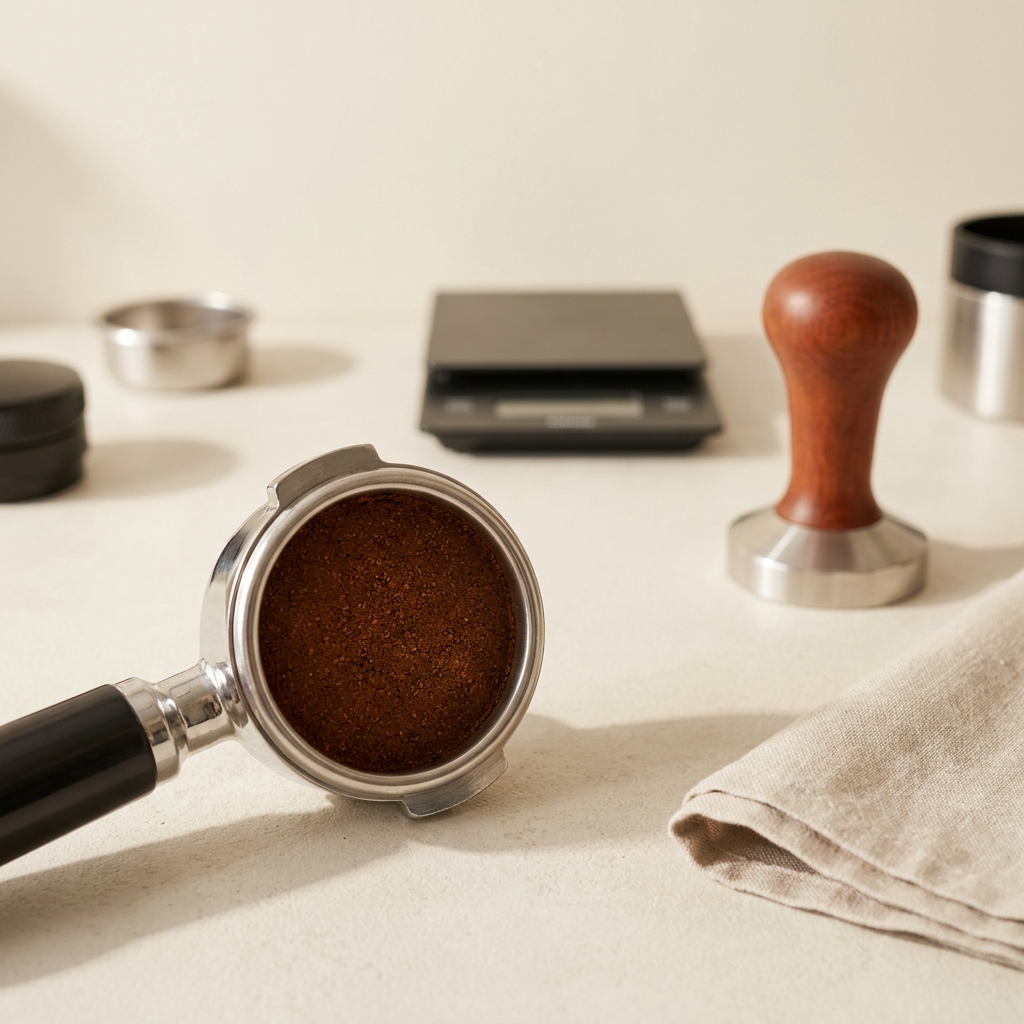
Seven Miles tested shots at 6, 9, and 12 bars using multiple doses, measuring time, strength (TDS), flow, and taste. Two findings matter for yield vs strength: first, with fresh coffee, increasing pressure actually slowed flow because CO2 increased resistance; with stale coffee, higher pressure sped up flow as expected. Second, strength tracked with extraction time more than with the pressure setting itself. In tasting, 9-bar shots were preferred overall; 6-bar shots were thinner even after grind and dose tweaks, while 12-bar shots produced mixed results and were harder to dial consistently in daily service. Their conclusion: use 9 bar as the practical benchmark and deviate only with a clear purpose (Seven Miles: ideal pressure for espresso).
When nudging above or below 9 bar can help
There are cases for small, deliberate changes:
- Lighter roasts: A modest increase in pressure can lengthen contact time on some setups, helping extraction when coffee is harder to dissolve (Seven Miles).
- Darker roasts: Slightly lower pressure can reduce over-extraction risk because these coffees are more soluble (Seven Miles).
- Channeling risk: Pushing into 10-12 bar increases sensitivity to puck prep; flaws show up fast as harsh or uneven cups (BOOKOO espresso pressure guide). If channeling is your bottleneck, improve distribution before chasing higher pressure. See what a WDT tool does for espresso.
How to compare on your machine (no hardware tweaks required)
Keep the test focused on taste, time, and consistency. If your machine allows pressure control or profiling, run a simple A/B:
Quick A/B to judge pressure vs strength
Buying insight: what “9 bar vs 15 bar” on the box really means
Don’t buy on the biggest bar number. A 15-bar rating usually describes a vibration pump’s maximum output against a blockage; during brewing, an OPV reduces it to a usable range near 9-11 bars. Prioritize machines that regulate pressure stably around the coffee, because stable 9-bar delivery is the benchmark for balanced espresso (Papel Espresso: pump pressure explained; 9Barista buyer’s guide).
FAQ
Does higher pressure make stronger espresso?
Not directly. In controlled tests, strength (TDS) tracked with extraction time more than with the pump setting. Raise or lower pressure only if it improves flow and time for your coffee; otherwise adjust grind and ratio first (Seven Miles).
Will a 15-bar machine brew better than a 9-bar machine?
No. The 15-bar figure is usually a pump maximum; the machine regulates brew pressure down toward the espresso range. Cup quality depends on stable delivery around 9 bar and your technique, not on a larger headline number (Papel Espresso; 9Barista).
Is 9 bar always best?
It’s the best baseline. Some lighter roasts benefit from a small increase if it lengthens contact time; darker roasts can do better slightly lower. Treat changes as controlled tests, not permanent settings (Seven Miles).

Bottom line: start with stable shots around 9 bar; change pressure only to solve a specific extraction problem you can verify in the cup.