
The journal
Can you freeze whole coffee beans to keep them fresh? Practical guide for home storage
how to store whole coffee beans: clear guidance on freezing, airtight storage, and simple rules to keep beans tasting fresh for daily and bulk buyers.
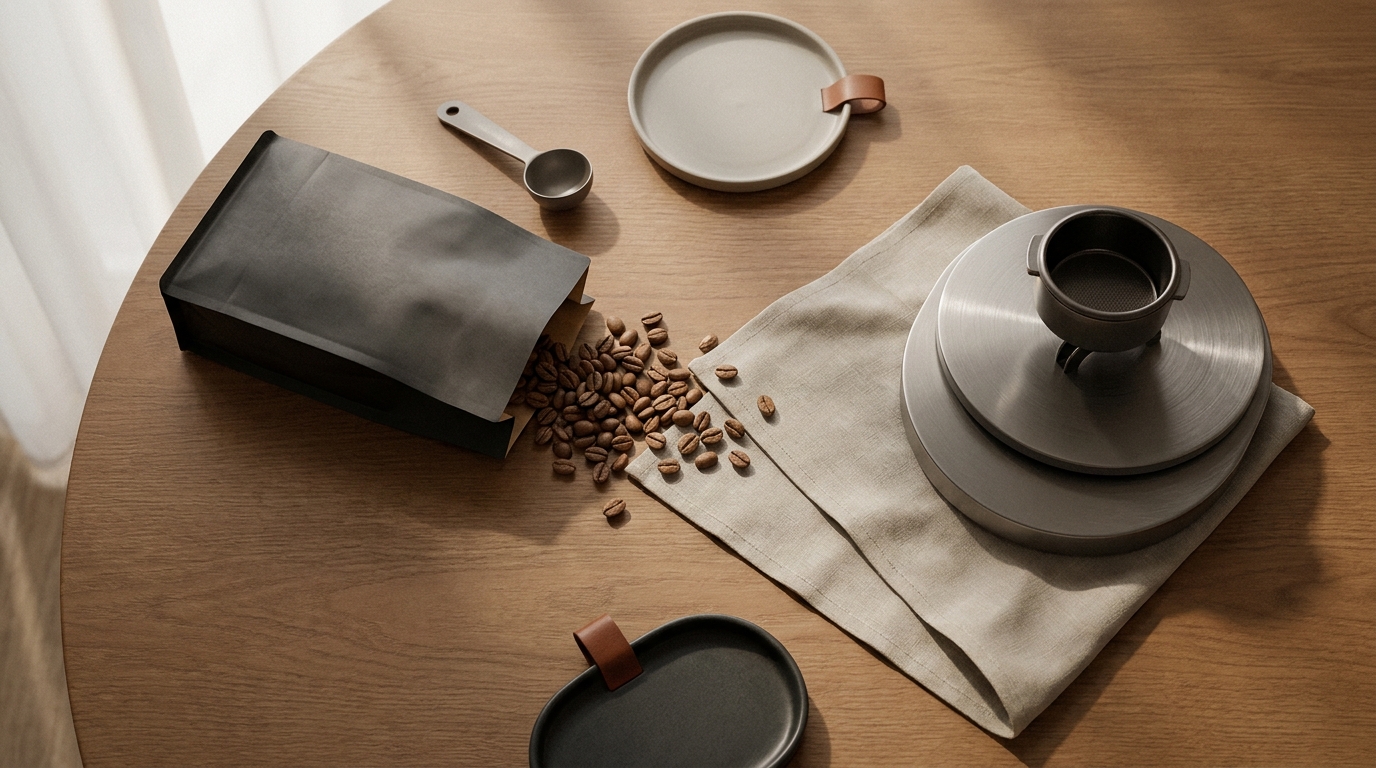
how to store whole coffee beans: quick answer and what matters
Short bottom-line recommendation, up front: for most home users the simplest way to keep coffee tasting good is to buy amounts you will use within a few weeks and store them in an airtight, cool, dry place. Freezing whole beans is a useful tool when you buy in bulk or need long-term storage, but it requires careful portioning and handling to avoid moisture and flavor loss.
What matters most for bean quality are five basic environmental factors: oxygen, moisture, light, heat and time. Managing those variables is the practical heart of how to store whole coffee beans, whether you keep a bag on the counter or a portion in the freezer. Match your storage choice to how quickly you use the coffee and how you grind and brew it.
Below you will find a short explanation of why beans lose flavor, a balanced list of pros and cons for freezing, a step-by-step freezing routine, and a decision checklist to help you choose pantry, fridge or freezer storage based on how often you brew. Practical examples at the end show what to do for common home brewing habits.
Throughout the guide, look for quick, repeatable actions: buy amounts that match your use, keep beans in airtight containers, avoid temperature swings, and protect against moisture.
Why whole beans go stale: the key causes
Coffee beans lose their peak flavor because the compounds that make coffee taste and smell are fragile. Oxidation, the reaction between those flavour molecules and oxygen in air, is the primary process that dulls taste and aroma. When a bag is opened or air has access to the beans, volatile aromatics begin to escape or change, and the cup loses the bright notes that define fresh coffee.
Can freezing whole coffee beans keep them fresh for home use?
Freezing can slow long-term flavor loss for bulk purchases if you portion beans into airtight, single-use packs and avoid repeated thaw cycles; for daily users, buying smaller amounts and using airtight pantry storage is often simpler and just as effective.
Moisture and temperature swings are the next most important factors. Moisture can cause beans to pick up off-flavors or accelerate degradation, while repeated changes between cold and warm conditions can create condensation on the beans. Light, especially direct sunlight, can also break down delicate aromatics over time. Finally, roast date matters because freshness is a moving target: most coffees taste best within a certain window after roasting, so starting with a recent roast and using the beans steadily helps maintain a good cup.
Packaging plays a big role in slowing these processes. Bags with one-way valves, resealable closures, and thick material all reduce oxygen exposure and help keep moisture out. But packaging by itself cannot stop time, so storage choices are about extending the practical life of a good roast rather than making old beans taste new.

Can you freeze whole coffee beans? Pros and cons
Yes, you can freeze whole coffee beans, and freezing can work well in certain situations. A freezer keeps beans cold and can slow the chemical changes that reduce flavor over the long term. For people who buy large quantities, split their purchase into single-use portions and store most of it frozen, the freezer becomes a way to keep a larger supply without daily quality loss.
On the other hand, freezing is not a simple cure-all. The main risk is condensation: when frozen beans are exposed to warmer air, moisture can collect on the surface. That moisture can alter extraction and encourage off-notes. Repeatedly moving the same container in and out of the freezer multiplies that risk because each thaw introduces temperature change and possible condensation.
Freezing also interacts with grinding and brewing. Frozen beans are not damaged by freezing itself, but if they pick up moisture when thawed, the grind may clump or extraction can become uneven. For routine home use, freezing is most useful when you portion beans into small, sealed packs and only remove a pack when you are ready to use it over a short period.
Consider your workflow: if you grind daily and use up a bag within a couple of weeks, the pantry or a cool cabinet is usually easier and yields consistent flavor. If you buy large volumes or need to hold beans for months, freezing with careful portioning is a reasonable option.
How to freeze whole coffee beans safely: step by step
Preparation and portioning make the difference between successful long-term storage and ruined flavor. The goal is simple: limit oxygen and moisture exposure at all times, and avoid repeated temperature changes for any single portion.
1. Divide into single-use portions. Before freezing, separate your beans into amounts you will use within a few days after thawing. Smaller portions mean you only expose a tiny amount to air and temperature change when you open it. Choose a portion size that matches your typical brewing batch.
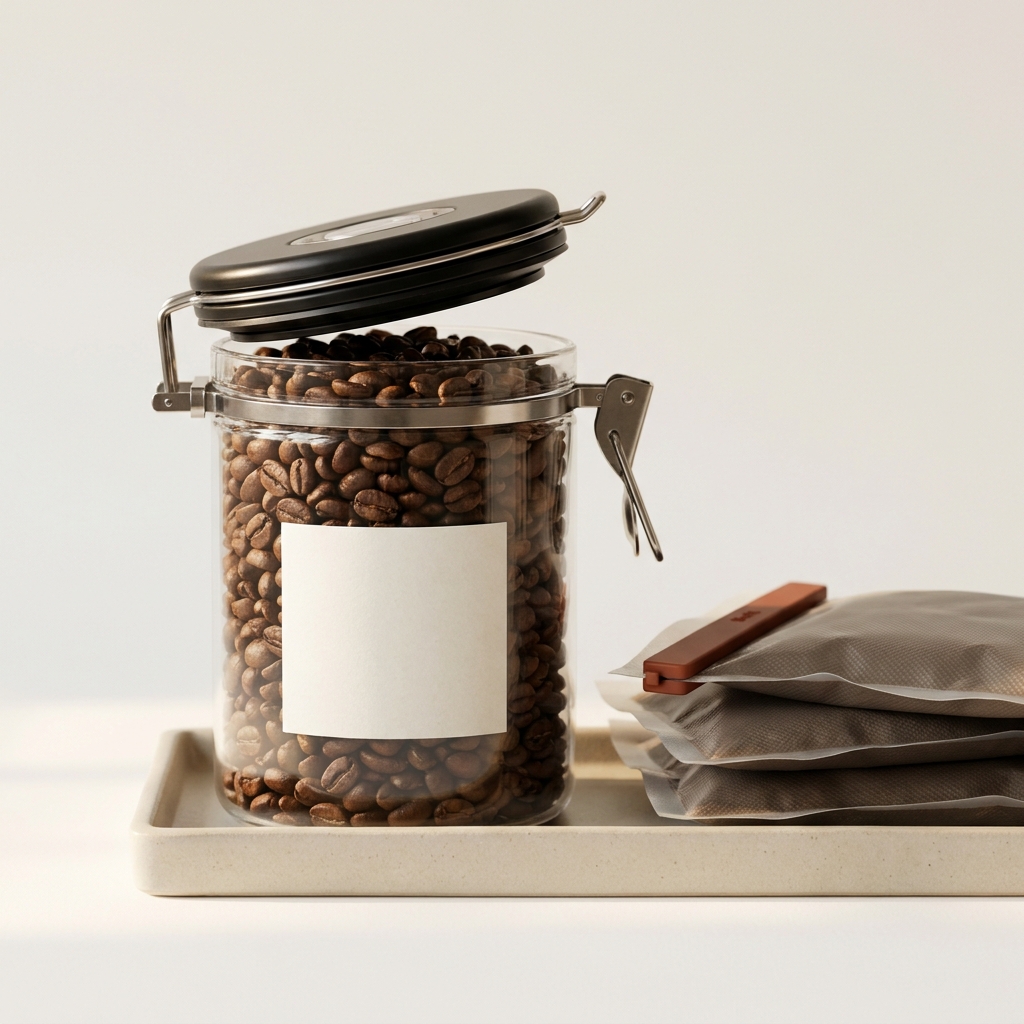
2. Use the right packaging. Place each portion in an airtight, freezer-safe container or bag. For best results, remove as much air as possible before sealing. If you have a vacuum sealer, use it to evacuate air from bags designed for freezing. If not, press out air manually from resealable bags before closing, or use rigid freezer-safe jars with tight lids. Label each pack with the roast date and portion size so you know what to use first and how old each pack is.
common tools to prepare and portion beans for freezing
3. Freeze quickly on a flat surface. Lay bags flat so they freeze uniformly and take less space. Avoid stacking warm containers in a full freezer where thawing could occur. Once frozen solid, store packs in a stable area of the freezer away from the door to reduce temperature swings.
4. Thaw correctly. When you are ready to use a frozen portion, move it to the coolest place available and let it come to room temperature before opening. Keep the pack sealed during thaw so no condensation can form on the beans from humid air. Once the pack is fully at room temperature, open it and use the beans within a short period.
5. Avoid repeated freeze-thaw cycles. The single most common mistake is opening a frozen pack, using a little, then returning the partially used pack to the freezer. That cycle exposes beans to moisture and oxygen multiple times. If you need only part of a pack, transfer the unused portion into another airtight container and store it at room temperature for short-term use, or portion ahead of time so each pack is single-use.
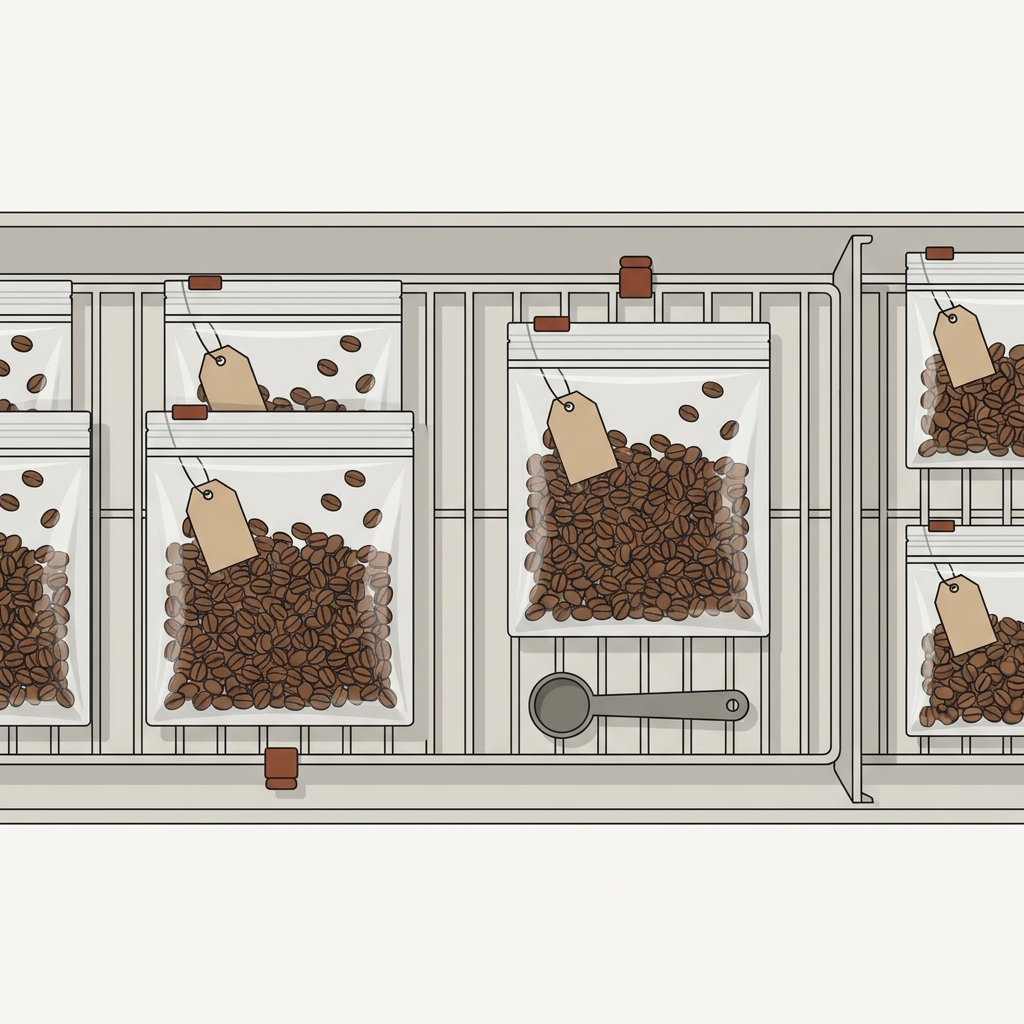
Practical tips: if you do not have a vacuum sealer, double bagging with air removed and storing packs in a rigid container reduces the chance of accidental puncture or air ingress. Labeling helps you rotate stock and avoid keeping beans frozen longer than intended.
When to choose freezing and other storage options
Choosing between pantry, fridge and freezer comes down to how much you buy and how quickly you use it. Pantry storage in a cool, dark cabinet inside an airtight container is the easiest and often the best option for daily drinkers who buy smaller amounts and finish them in a few weeks.
Refrigeration is generally not recommended for whole beans because the fridge environment is humid and the frequent door openings cause temperature changes that promote condensation. The refrigerator is also used for foods that can transfer odors to coffee, which is hard to reverse. For most home users, either a pantry container or a freezer approach is preferable, depending on consumption rate.
Decision rules by frequency and quantity: if you brew several times a day and go through beans quickly, buy smaller batches and store them in an opaque, airtight container in a cool cabinet. If you buy in bulk or receive infrequent shipments and will not use the beans within a few weeks, portion and freeze most of the supply, keeping only a small amount at room temperature for immediate use.
Examples: a weekly user who grinds daily benefits from buying a two-week supply and storing it in a sealed container on the counter or in a pantry. A monthly user who purchases larger bags should divide the purchase into multiple frozen portions and rotate packs into pantry storage only when needed.
Buying amounts that match consumption reduces complexity. If you can buy smaller bags more often, you can avoid freezing altogether and simply follow airtight pantry storage best practices. If bulk buying saves money or ensures access to a favorite roast, freezing becomes a practical preservation tool when done with care.
Common mistakes, troubleshooting and practical examples
Top storage mistakes to avoid include storing beans in clear containers that let light through, leaving them near heat sources like ovens or sunny windows, and repeatedly opening a single large bag. Any of these habits increases exposure to oxygen, heat or light and speeds flavor loss.
If your brewed coffee tastes flat or dull, first look at the roast date and how you store the beans. Flatness can come from age and oxidation, from beans that absorbed moisture, or from inconsistent grinding. A quick troubleshooting step is to test a small amount from a fresher pack or a recently opened bag; if the fresher beans taste noticeably better, storage is the likely culprit.
Practical example 1, daily grinder user: buy small bags that match two weeks of use, keep the open bag in an opaque, airtight container at room temperature, and avoid the freezer. This reduces handling and gives consistent results from day to day.
Practical example 2, occasional brewer: if you drink coffee a few times a week and buy a large bag, split the beans into multiple small packs and freeze all but one. Move one pack to pantry storage a day before you plan to use it so it thaws sealed and avoids condensation.
Practical example 3, bulk buyer with freezing plan: portion the full purchase into single-use vacuum-sealed packs, freeze them on a flat surface, and label each with roast date. Only open one portion at a time and avoid returning any opened portion to the freezer.
When to discard older beans: if a pack smells flat, cardboard-like or otherwise off compared with a fresh sample, it is time to replace it. Bad aroma or taste that does not improve with grind or dose adjustments usually means the beans have passed their useful life for good flavor.
Closing action plan: decide on a target purchase size based on how often you brew, invest in good airtight storage for daily use, and use careful portioning and single-use packs if you need to freeze. These simple steps reduce waste and keep daily brewing straightforward.
Frequently asked questions
Can I refreeze coffee beans after thawing?
No. Refreezing exposes beans to repeated condensation and air, which degrades flavor. Portion before first freeze to avoid refreezing.
Should I store whole beans in the fridge?
Generally no. Fridges are humid and frequently opened, which can cause condensation and odor transfer. Use a cool pantry or the freezer for long-term storage instead.
How should I store beans I use every day?
Keep a small amount in an opaque, airtight container in a cool, dry spot and buy amounts you will use within a few weeks for best consistency.
Keeping coffee tasting its best is mostly about reducing exposure to oxygen, moisture, light and heat, and matching purchase size to use. For many people, buying modest amounts and using airtight pantry storage is the simplest path. For those who buy in bulk, careful portioning and single-use freezer packs offer a practical way to preserve quality without daily hassle. Whichever storage approach you choose, keep it consistent, label your packs, and avoid repeating freeze-thaw cycles so each cup starts with the best beans you have on hand.
References
- https://www.seriouseats.com/best-way-to-store-coffee-12001722
- https://perfectdailygrind.com/2025/09/freezing-roasted-coffee-best-practices/
- https://www.klatchcoffee.com/blogs/knowledgebase/should-you-freeze-your-coffee?srsltid=AU7gw4V2MMCxtPcqvduMwEACq5lrvkqHwsmVbU94QsOESf-j4MWyvnbZ
- https://groundandgauge.com/tools/brew-ratio/
- https://groundandgauge.com/guides/beans-water/
- https://groundandgauge.com/guides/grinders/