
The journal
How long should coffee beans degas? A practical resting guide
Choose a coffee resting window from the roast date, distinguish resting from blooming and compare filter or espresso brews without guessing.
Key takeaways
- Use the roaster’s recommendation first. Resting time depends on the coffee and brew method.
- Count from the roast date, not the delivery date or best-before date.
- A vigorous bloom is a clue about gas release, not a freshness score or a reliable countdown.
How many days should coffee rest after roasting?
Follow the rest period recommended for your particular bag. If none is given, Counter Culture Coffee describes 3-5 days after roasting for brewed coffee and 5-7 days for espresso as conventional starting points. It also notes that some lighter coffees open up two or three weeks after roasting. These are starting windows, not a deadline or a guarantee that every coffee improves until the same day.
A bag roasted a week ago may already be ready to enjoy when it arrives. You do not need to restart the clock. If it tastes good in your normal recipe, keep brewing it rather than waiting for an imagined perfect date.
Degassing and blooming are different steps
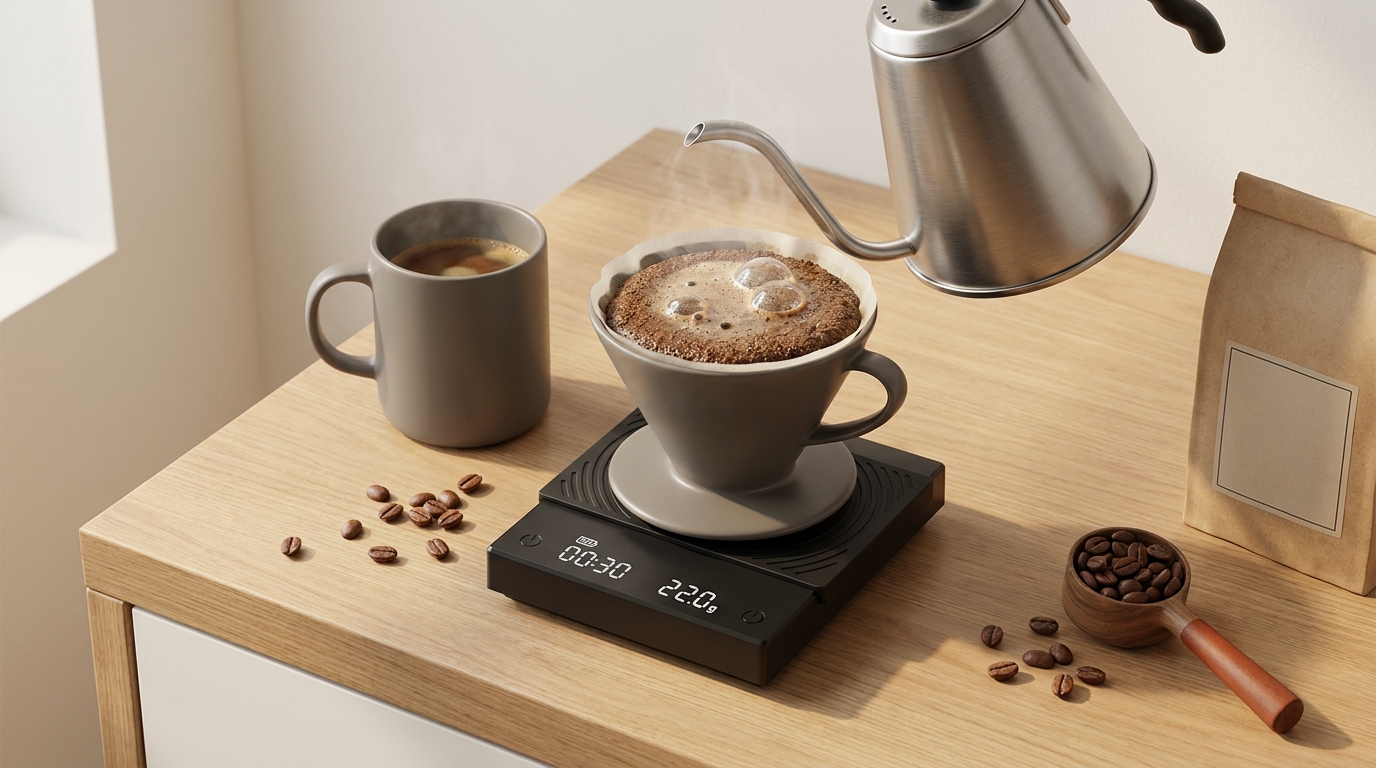
Roasting creates gases in the beans. Carbon dioxide continues to leave after roasting; that process is called degassing. Grinding and contact with hot water release more gas, which helps explain the bubbles and expansion during a pour-over bloom. Methodical Coffee explains the relationship between this gas release and wetting the grounds.
Resting happens before you grind and brew. Blooming is a short stage within a brewing recipe. A longer bloom can give gas time to escape, but it does not reproduce every change that happens while whole beans rest.
Choose a starting point for your bag
Write the roast date on your brewing notes, identify whether the roaster intended the coffee for filter or espresso, and look for a recommended rest period on the bag or product page. If that information is missing, ask the roaster about this particular coffee rather than treating a general internet range as a specification.
Very fresh coffee can make an espresso setup harder to keep consistent. That does not mean a thick crema tells you exactly how old the beans are, or that an uneven shot proves degassing is the problem. Recipe, grind and preparation also matter. Keep those variables in view.
For manual brewing, try your usual recipe at the beginning of the suggested window. You can still taste a new bag earlier; record the result as a trial rather than declaring the coffee defective from a single cup.
Run a simple two-day comparison
- Choose one bag and note the roast date, brew method and the time of the first brew.
- Weigh your normal dose. Record the grinder setting, water quantity and the recipe you actually use.
- Brew, let the cup cool to a comfortable temperature and write a short description of its taste and brewing behaviour.
- Keep the remaining whole beans stored consistently. Repeat the same recipe on another day within the roaster’s recommended window.
- Compare the notes. If you prefer one cup, that is useful information for this coffee and setup. It is not a measured universal resting period.
Change only one brewing variable when troubleshooting. Moving the grind, dose and water temperature together makes the next cup difficult to interpret. You do not need to buy extra equipment to keep a short set of useful notes.
Prepare a repeatable comparison

Keep the bloom tied to the recipe
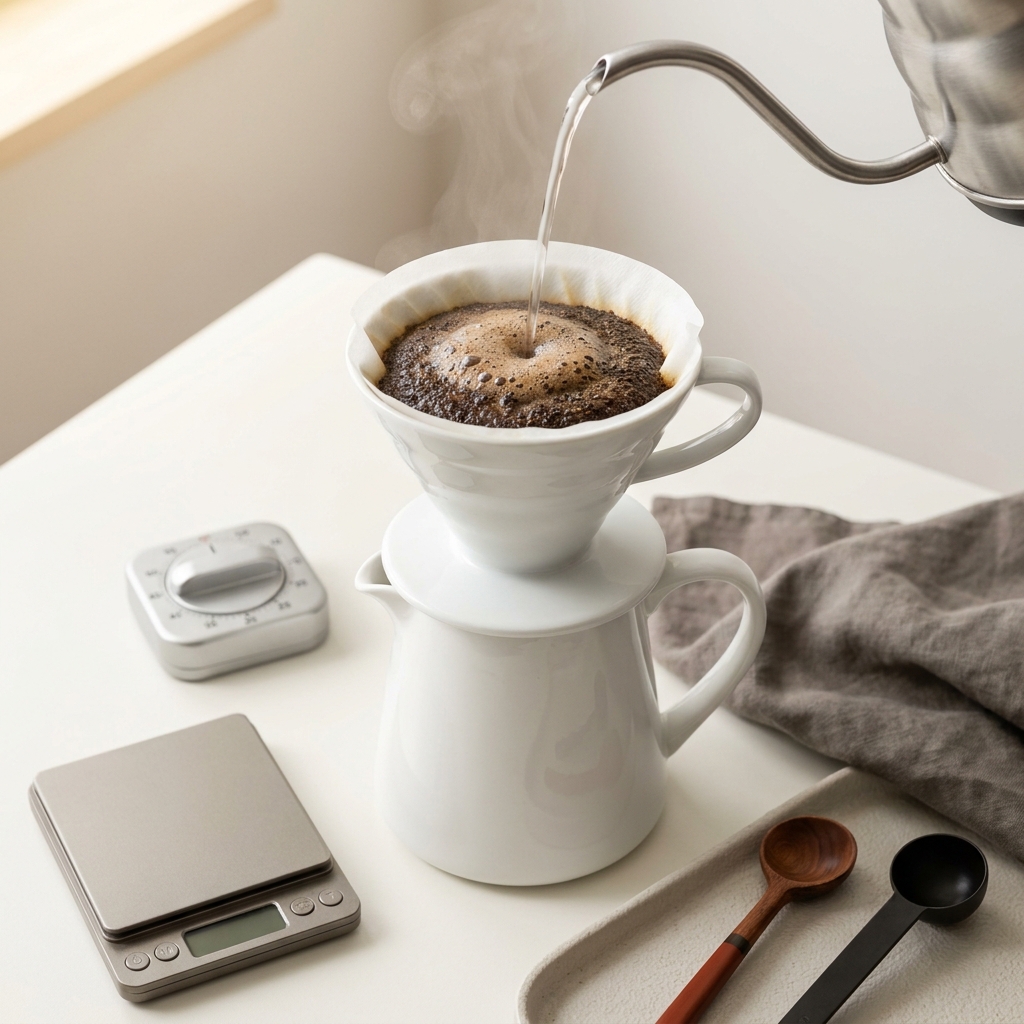
Use the bloom instructions for your brewer as a baseline. For example, Coffee Collective’s Kalita Wave recipe uses a 30-second bloom before the next pour. That is a particular recipe, not a claim that all coffees finish releasing gas in 30 seconds.
Notice whether all the grounds get wet and whether the brew is repeatable. The number of bubbles alone cannot tell you the roast date, the remaining gas content or the quality of the coffee. If your cup is consistently sour or bitter, consult the recipe and review extraction variables before blaming the resting time.
Our brew-method guide and Drink Atlas can help you choose which brewing context you are testing.
Store the beans while they rest
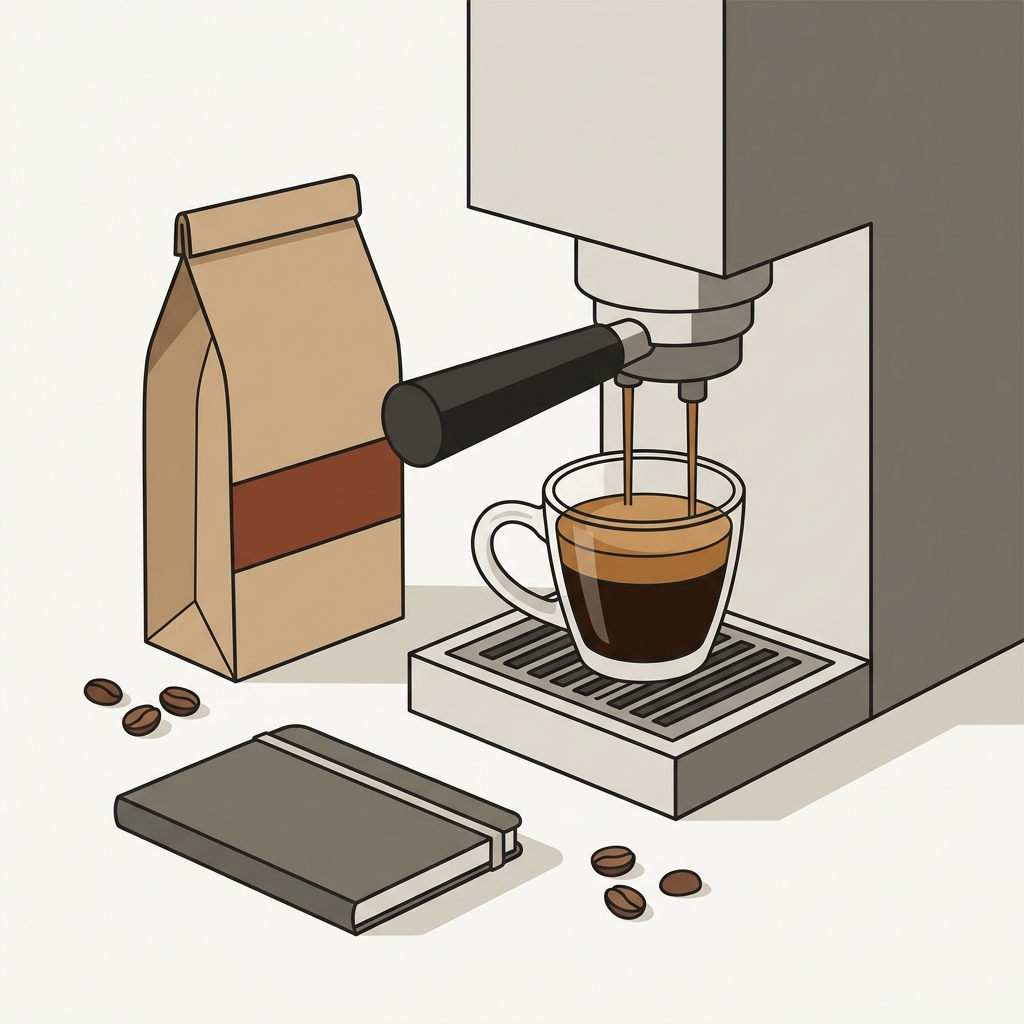
Keep whole beans in suitable packaging, away from heat, moisture and direct sunlight. Counter Culture recommends its tightly resealed original packaging or a container that allows carbon dioxide to escape while limiting incoming air. Repeatedly opening the bag to check the aroma is not a controlled way to speed up resting.
Do not leave beans spread out on a tray or grind the whole bag days in advance just to release gas faster. That also changes their exposure to air. For longer storage, read our separate whole-bean storage and freezing guide; storage planning and deciding when to start brewing are related but different decisions.
Common questions
Can I brew coffee the day it was roasted?
You can make a trial cup. Expect that it may behave differently from the same coffee after rest. Keep the recipe and notes so you can compare, and follow the roaster’s advice for the next brew.
Does no bloom mean the coffee is bad?
No. Visible bloom depends on more than one variable. Check the bag, preparation, storage and taste rather than using the presence or absence of bubbles as a quality certificate.
Should I wait until the beans release no gas?
No. Your goal is a cup you enjoy and a recipe you can repeat, not a claim that the beans contain zero carbon dioxide. Use the recommended window and your own brewing notes together.