
The journal
What is the difference between #2 and #4 coffee filters?
The difference is filter size and compatible brewer capacity. Match your brewer’s exact specification rather than treating the number as a universal cup measure.
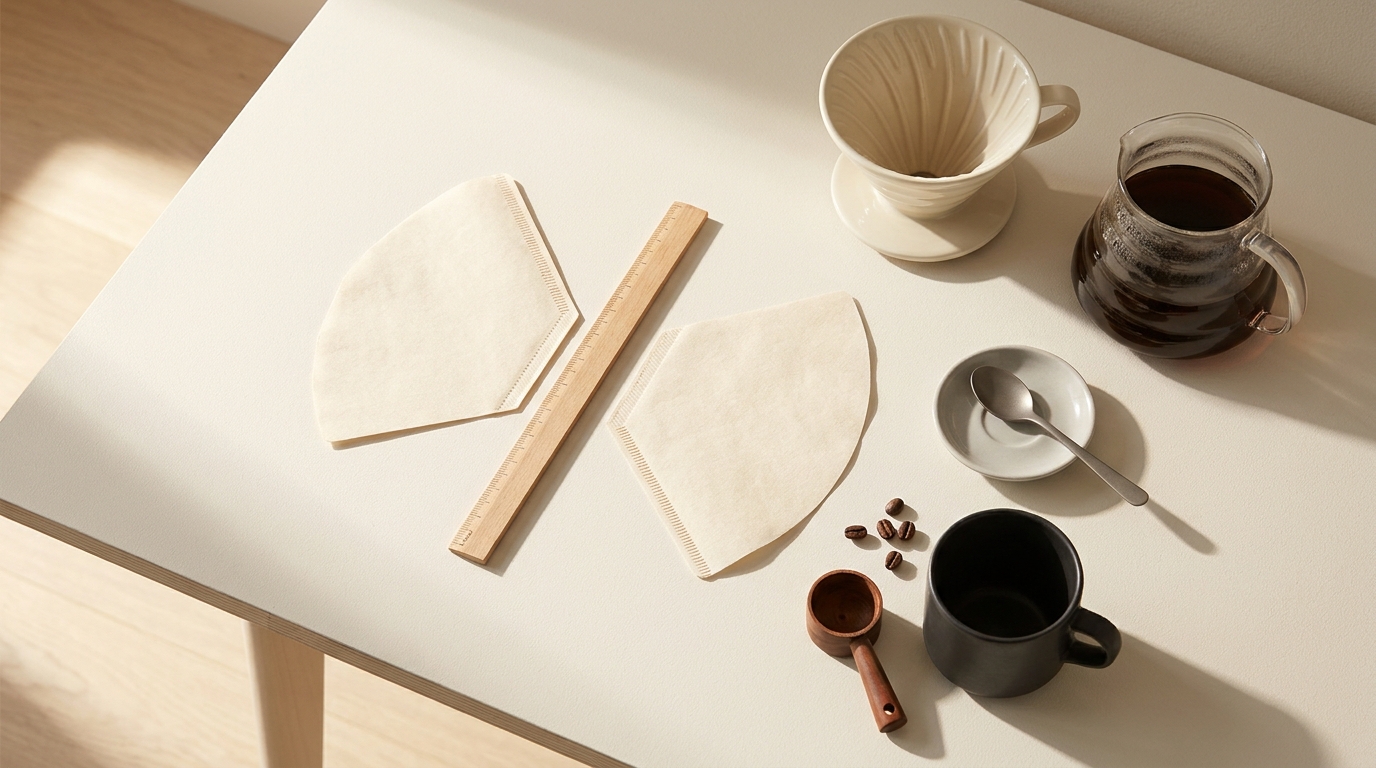
A #4 cone coffee filter is larger than a #2. The useful difference is which filter holder and batch size the paper is designed to fit. Choose the size specified for your brewer; the number on a packet is not a universal measurement of the drink in your cup.
Melitta’s US #2 cone filter listing specifies 2-6 cup electric cone makers and one-cup manual cone makers. Its #4 listing specifies 8-12 cup cone makers. These are the maker’s compatibility descriptions for those products, not a promise that every brewer with that advertised cup count accepts the same paper.
Start with the filter holder
Look for the filter size in the equipment instructions or on the holder. Compare both shape and size: a cone paper is not automatically a replacement for a flat-bottom basket paper. If the instructions give a part number or a specific filter family, use that information rather than judging the fit from a photograph.
The Melitta UK FAQ recommends the size marked on the appliance or in its instructions. It explains that incorrect paper can tear or fold. A larger sheet pushed into a smaller holder can wrinkle; a smaller sheet does not become the correct liner simply because a reduced quantity of grounds fits inside it.

Why the cup counts can be confusing
Use the figures printed for the exact filter and brewer sold in your market. Do not read “#4” as four cups, or assume that every brand uses the same numbering system. A brewer’s advertised cup count is also different from the size of your mug. Calculate your drink quantity using the equipment’s stated units and normal recipe.
If a retailer describes a different capacity from the manufacturer, compare the exact product code and market before ordering. A filter number alone is not enough to reconcile two different machines. Keep the packaging or manual for the supplies that actually fit your holder.
Seat the paper as instructed
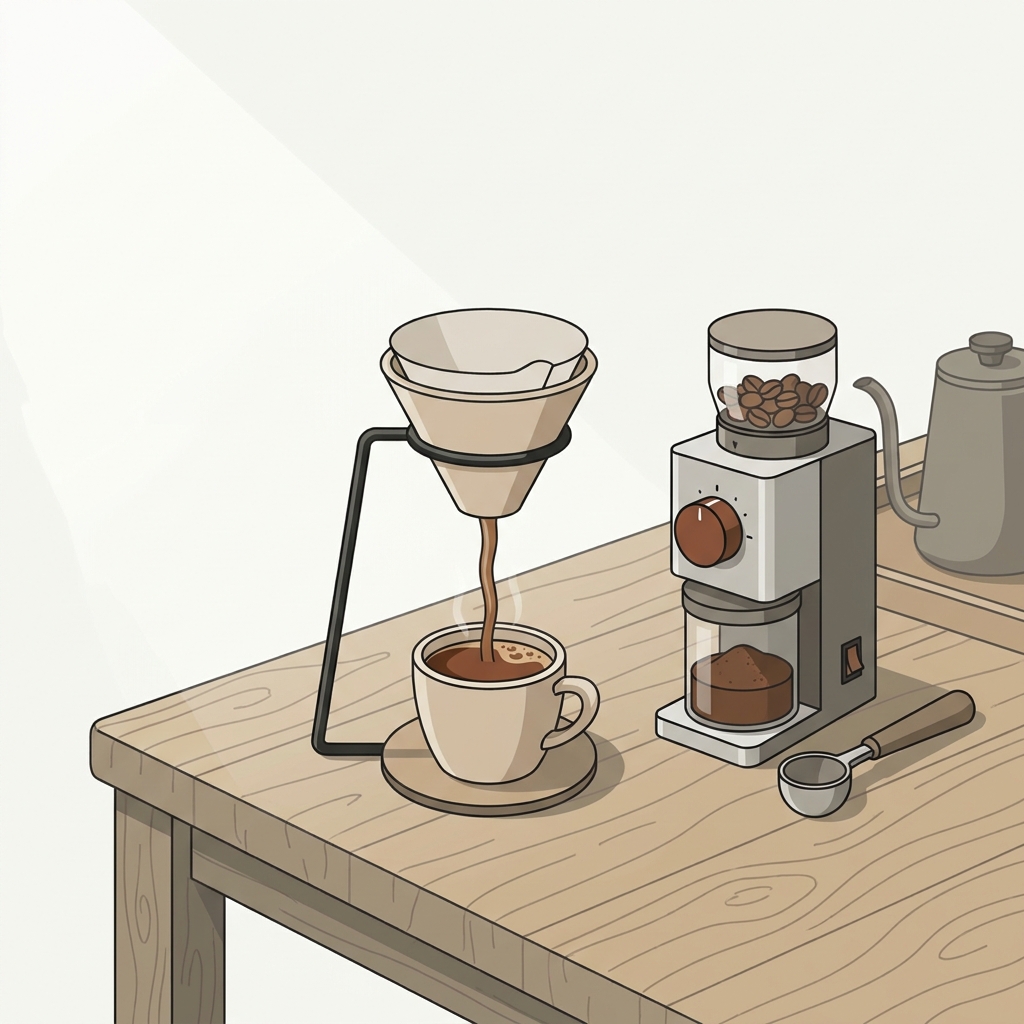
For the Melitta paper described in its FAQ, folding the embossed seams helps the paper sit correctly in the holder. Follow your own brewer’s preparation instructions, including whether and how to rinse the paper. Do not alter several brewing variables just because you changed a packet of filters.
Put this into practice
Read the basket’s specified filter format before comparing numbers on packs. Keep the filter shape and brewer model in the buying note so a similarly numbered but different system is not mistaken for a compatible replacement.
Check the correct filter before brewing
Can I substitute one size for the other?
Use the specified size for routine brewing. This comparison does not establish that a smaller paper in a larger cone is safe for a particular machine, nor that trimming a larger sheet will give the correct seam and fit. If the right paper is unavailable, consult the manufacturer about an approved alternative.
For the next preparation step, read whether to rinse coffee filters. Keep any taste comparison separate from this basic compatibility decision: the first job of the paper is to fit the equipment properly.

Optional equipment for this guide
These are two different Melitta cone formats, not interchangeable recommendations. Buy only the size and shape specified for the actual brewer.
As an Amazon Associate I earn from qualifying purchases. These are researched options, not hands-on test results. Check the exact size or model, current price and availability on Amazon.
| Product option | Fit and limits to check | Retailer |
|---|---|---|
| Product imageMelitta #2 natural-brown cone filters, 100 count | Only for a basket that specifies the #2 cone format. This is not Hario V60 02 paper, and the number alone is not a universal compatibility standard. | View on Amazon |
| Product imageMelitta #4 natural-brown cone filters, 100 count | Only for a basket that specifies #4 cone paper. Check the basket and maker instructions rather than folding a different size to force a fit. | View on Amazon |